Custom Shirts: How to Design, Print and Order Your Own Shirt Online
Custom tee $35.85Ready-made from $19.99Printed in 5–7 working daysFree worldwide shippingNo minimum

Custom shirts, hoodies and caps printed on demand by Wearlie
Custom shirts are a simple way to turn your own idea, artwork, message or branding into clothing. People use custom shirts for gifts, birthdays, family events, teams, businesses, creator merchandise, hobbies and everyday wear. The biggest advantage is control: instead of choosing from a fixed design, you can create something that is specific to you.
This guide covers how to design a custom shirt online, how custom shirt printing works, how to choose a garment and printing style, how to think about cost, and what to check before placing an order.
What is a custom shirt?
A custom shirt is a garment personalized with artwork, text, photography, a logo, illustration or another design selected by the customer. A custom shirt can be one unique piece or part of a larger apparel order.
Custom shirts vs ready-made shirts
Ready-made shirts are created around designs selected by the seller. A custom shirt is created around the buyer's requirements. That makes custom shirts especially useful when the design needs a person's name, a specific date, a business logo, a private joke or an original illustration.
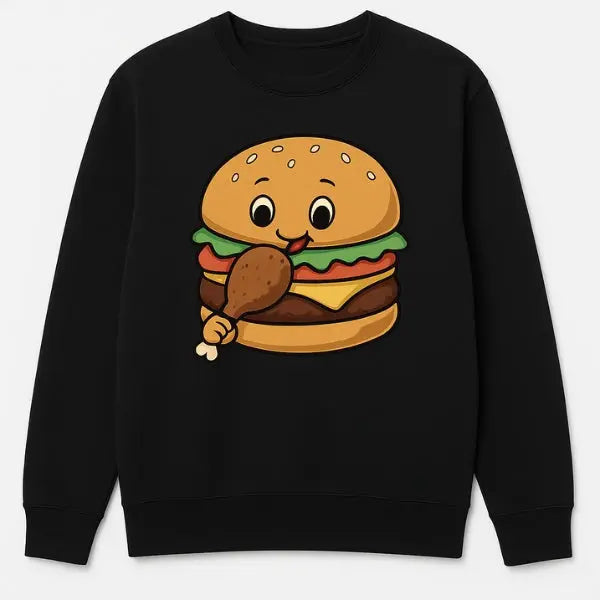
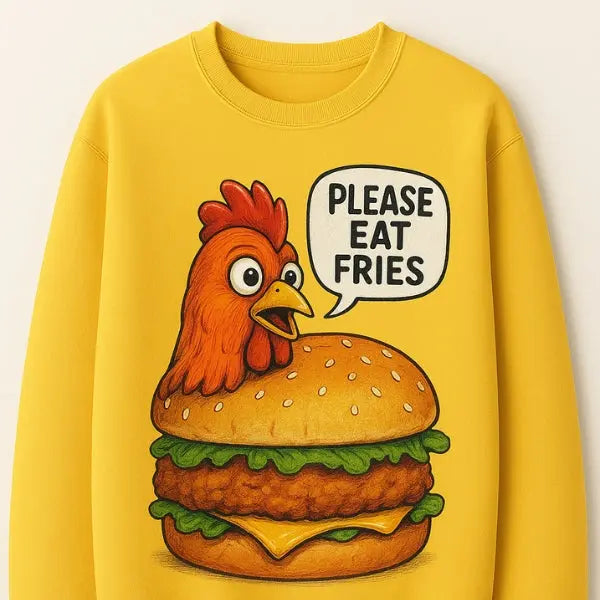
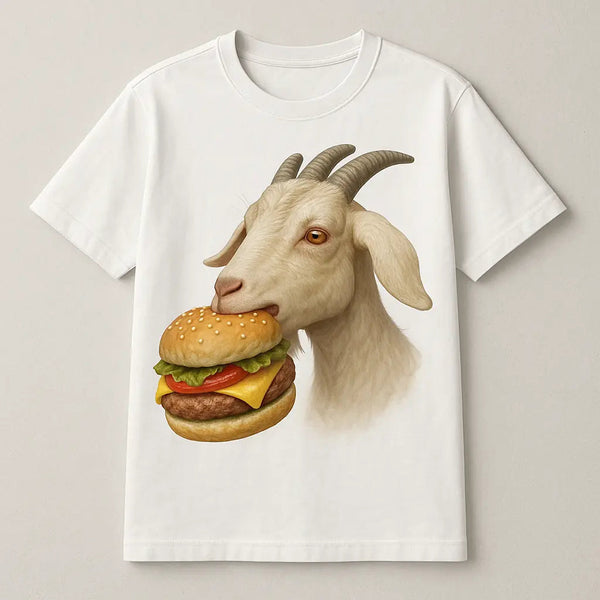
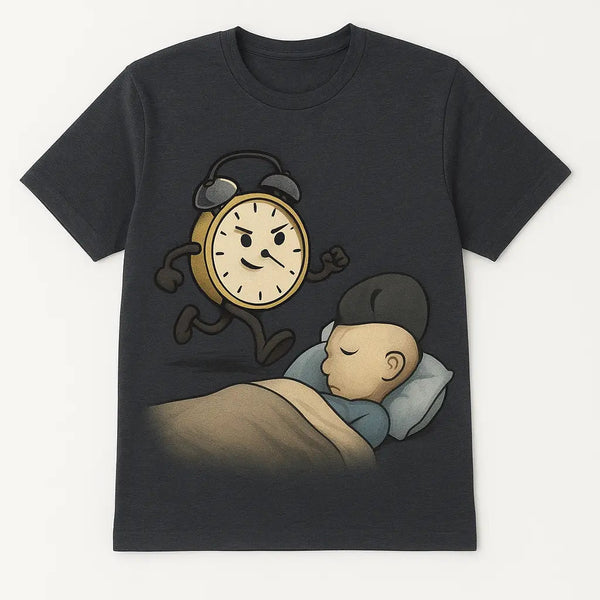
Tap any idea to see it on a tee — $35.85, free shipping
How to design your own shirt online
- Choose a purpose. Decide whether the shirt is for a gift, event, business, hobby, team or everyday use.
- Write down the main idea. A one-sentence brief is easier to turn into a clean design than a vague request.
- Create or upload artwork. Use your own artwork, an original graphic, or an AI-assisted design workflow.
- Choose the garment. Consider shirt color, fit, fabric and the overall style you want.
- Choose placement and size. Center chest, left chest and larger front designs create different looks.
- Preview the result. Check spelling, alignment, contrast and cropping.
- Order. Confirm the size, shipping address and final price before purchase.
How custom shirt printing works
Custom shirts can be decorated using different processes, including direct-to-garment printing, screen printing, heat-transfer methods and embroidery for suitable products. The right method depends on the artwork, garment, quantity and desired finish.
How to choose artwork for a custom shirt
A strong shirt graphic usually has one main idea. Avoid putting too many unrelated elements into a small print area. Make sure the artwork has enough contrast against the shirt and that important text is readable from a normal distance.
Tap any idea to see it on a tee — $35.85, free shipping
Custom shirts with text
Typography is one of the easiest ways to personalize a shirt. Use a short phrase, name, date or slogan and give it enough space. Double-check every character before ordering.
Custom shirts with photos
A personal photograph can turn a shirt into a meaningful gift or memory. Use an image that you own or have permission to reproduce, and review the crop carefully so important parts of the image are not cut off.
Custom shirts for gifts
Personalized shirts can work particularly well for birthdays, anniversaries, couples, parents, pet lovers, hobbyists and friends. A design connected to the recipient is usually more meaningful than a generic phrase.
Custom shirts for businesses
Businesses can use custom shirts for uniforms, events, launches, staff clothing and merchandise. Keep the logo readable and maintain consistent brand colors.
Custom shirts for groups and events
Family reunions, birthdays, weddings, trips, clubs and teams can use coordinated shirts. Decide whether everyone needs the exact same design or whether names and numbers should be personalized.
How much do custom shirts cost?
The final price depends on the garment, printing method, number of printed areas, customization, production and shipping. Compare the complete delivered price rather than only the base shirt price.
Can you order only one custom shirt?
Yes. Made-to-order apparel is particularly useful when you want one shirt for yourself, a gift or a test design rather than a large quantity.
How to make a custom shirt without design software
You do not need professional design software to start. Wearlie lets customers begin with their own artwork or an idea and use an AI Designer when they want help turning a concept into a visual.
Where to design custom shirts online
For the design stage, go directly to Wearlie's AI Designer and turn your idea into apparel artwork.
FAQ
What is the difference between custom shirts and personalized shirts?
The terms are often used interchangeably. Personalized shirts usually emphasize adding individual details such as names or dates, while custom shirts can also refer to fully custom artwork and graphics.
Can I design a custom shirt online?
Yes. You can start with your own artwork or a design idea and use an online custom apparel workflow.
Can I create a custom shirt with AI?
Yes. Wearlie offers an AI-assisted design experience that can help turn a text concept into apparel artwork.
Can I order a single custom shirt?
Yes. Wearlie's custom apparel workflow supports made-to-order pieces and single-item orders.
Start designing: use Wearlie's AI Designer.