What Is Print on Demand? How Custom T-Shirt Printing Actually Works
Custom tee $35.85Ready-made from $19.99Printed in 5–7 working daysFree worldwide shippingNo minimum
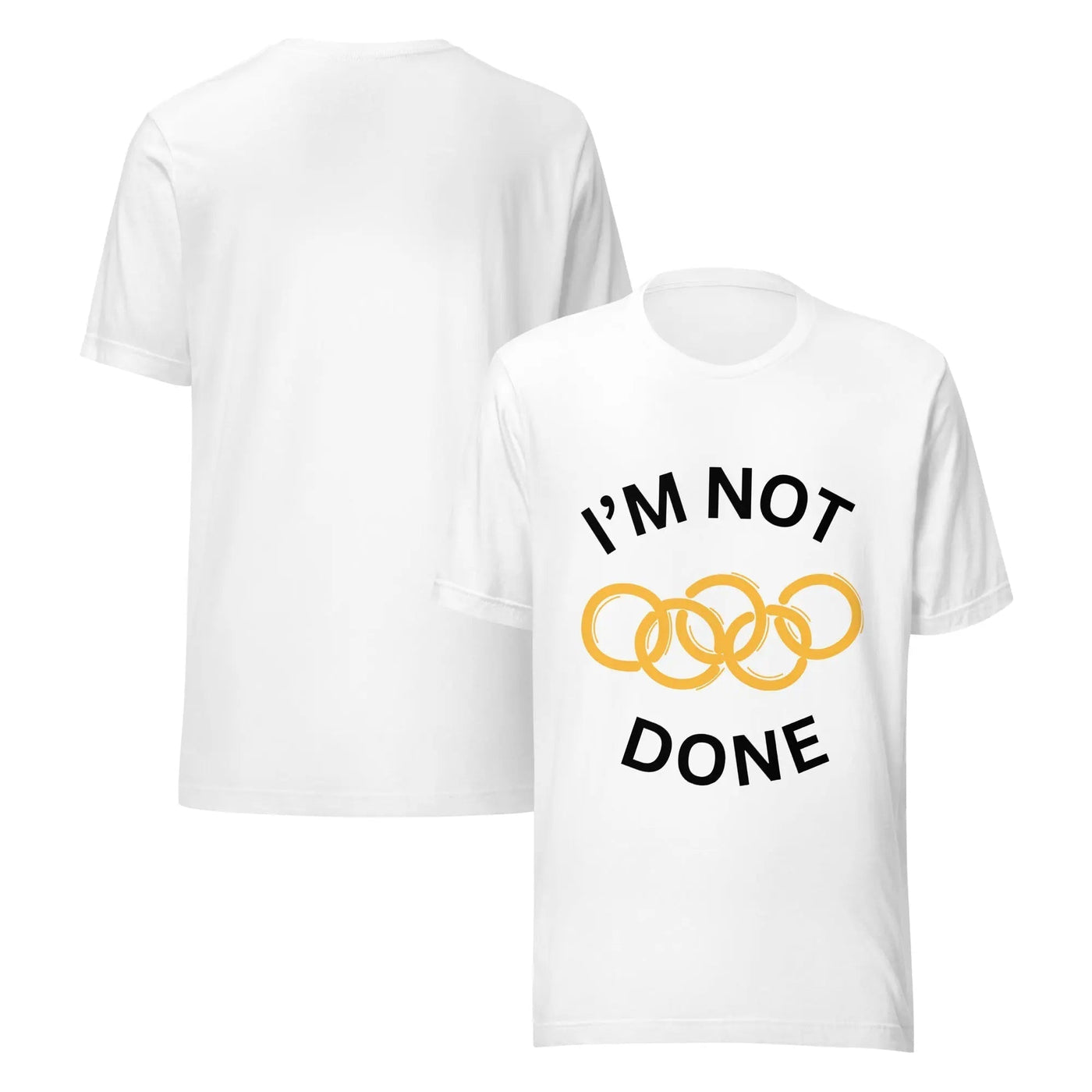
A blank unisex staple t-shirt, the base garment used for print on demand
Guide · Print on demand
Short answer
Print on demand is a fulfilment model where a garment is printed only after a customer orders it, so no stock of finished designs is held and there is no need to manufacture a large run. Many print-on-demand services use direct-to-garment printing: water-based ink applied straight to the fabric, then cured. It suits detailed, full-colour designs and small orders.
Print on demand is the reason you can order one custom T-shirt instead of fifty. Here is what print on demand actually involves, how custom T-shirt printing works, and where AI-assisted design fits.
- Print method
- Direct-to-garment (DTG)
- Ink
- Water-based, then cured
- Made
- After the order is placed
- Minimum order
- None
- Best for
- Detailed, full-colour, small runs
Explore Wearlie custom apparel → You can choose custom T-shirts, hoodies, sweatshirts and caps. Customers who want help creating artwork can also use the AI T-shirt generator.
Print on demand, defined
Nothing is made until somebody orders it.
Print on demand (POD) is a fulfilment model in which a garment is printed only after a customer orders it. No stock of finished designs is held.
The consequence: no requirement to manufacture a large run to offer a custom design.
How the printing itself works
Water-based ink applied directly to the fabric, then cured.
Many print-on-demand apparel services use direct-to-garment (DTG) printing. A specialised printer applies water-based ink directly to the fabric, with additional treatment on some dark garments so colours reproduce properly. The garment is then cured so the print is set.
DTG vs screen printing vs heat transfer
Three methods, three different jobs.
| Method | Suited to |
|---|---|
| DTG | Suitable for full-colour, detailed designs and small custom orders. |
| Screen printing | Efficient for larger runs, especially simple designs with fewer colours. |
| Heat transfer | Useful for some simple graphics, names and numbers, depending on the material and application. |
Where AI fits in
POD solved the minimum order. The design bottleneck came next.
POD addressed manufacturing minimums, but the design bottleneck persisted: many customers still required artwork. AI-assisted image generation can help turn a written concept into a visual design. At Wearlie, customers can start with a design idea, use the AI-assisted experience, and then order custom apparel through the same store.
See the live custom T-shirt collection, custom hoodie collection, or the full custom apparel range.
Frequently asked questions
Does print on demand quality match screen printing?
The best method depends on the design, garment and order size. DTG is well suited to detailed, multi-colour artwork and small runs, while screen printing can be more economical for larger quantities with simpler designs.
How long do print-on-demand shirts last?
Print life depends on the garment, print method and care. Follow the care instructions supplied with your product and avoid excessive heat and direct ironing over printed areas.
Why does print on demand take longer to ship?
The garment is made after you place the order, so production happens before delivery.
Is print on demand more expensive?
Per unit, a small POD order can cost more than a high-volume run. The advantage is that you do not have to purchase a large quantity upfront.
Is print on demand more sustainable?
Because products are made after orders are received, print on demand can reduce the need for speculative finished-goods inventory. Environmental impact still depends on garments, production, shipping and returns.
Explore Wearlie custom apparel.
Browse custom apparelWearlie · printed to order, no minimum, free worldwide shipping.